








Recently, Name, Image and Likeness (NIL) deals have transformed college sports. In the 2021 case NCAA v. Alston, the Supreme Court unanimously ruled that the NCAA’s policy of restricting player compensation, because limiting the pay of education linked sports did not protect “amateurism.”
This opened the doors for college athletes to receive compensation for their services. Many players enter the transfer portal each year to initiate bidding wars between universities to have them play for their team. These rapid changes have left many college sports purists upset with the new landscape of college sports.
Now, these changes are coming to high school sports.
On January 27, the Michigan High School Athletic Association (MHSAA) greatly expanded its NIL policy, becoming the 46th state to approve NIL deals for high schoolers. These new deals are called Personal Branding Activities (PBA).
These endorsements allow Michigan student-athletes to make money off their personal image. Previously, the MHSAA limited the PBA to allowing student-athletes to coach private lessons and camps. Now, these opportunities have expanded, allowing them to earn compensation in new ways, including participating in commercials and social media posts promoting a brand, signing autographs, appearing on memorabilia and more.
There are still some restrictions on PBA, though. Student-athletes may not use any identifiers for the school they attend. For example, if a brand wants to have a baseball player appear in a commercial, they must appear in a generic baseball uniform, not their school uniform. PBA is also not allowed to be “pay to play.” The example given by the MHSAA states that a player cannot sign a contract that rewards them $500 every time they score a touchdown.
Currently, most PBAs for significant amounts of money for high schoolers are reserved for top recruits. Under similar NIL rules outside of Michigan, the top two recruits in the upcoming NBA draft, Darryn Peterson and AJ Dybantsya, signed deals with Adidas and Red Bull, respectively, while still in high school.
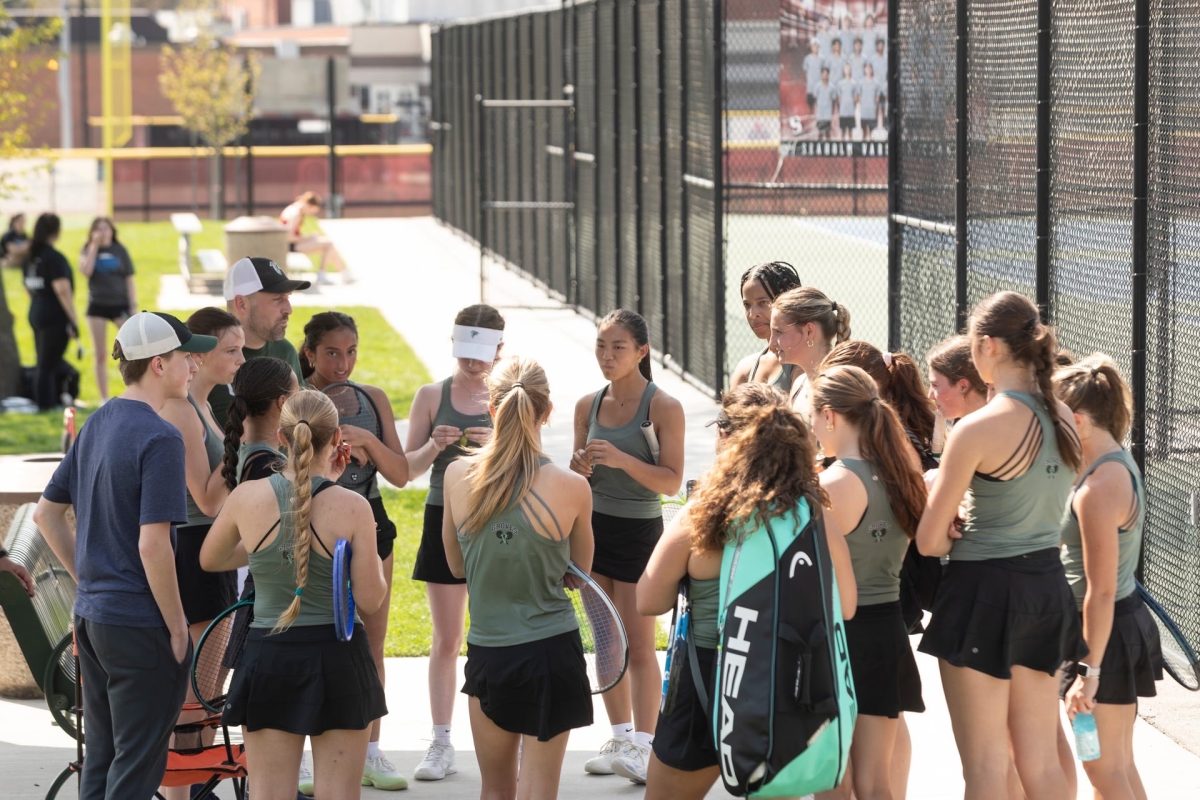
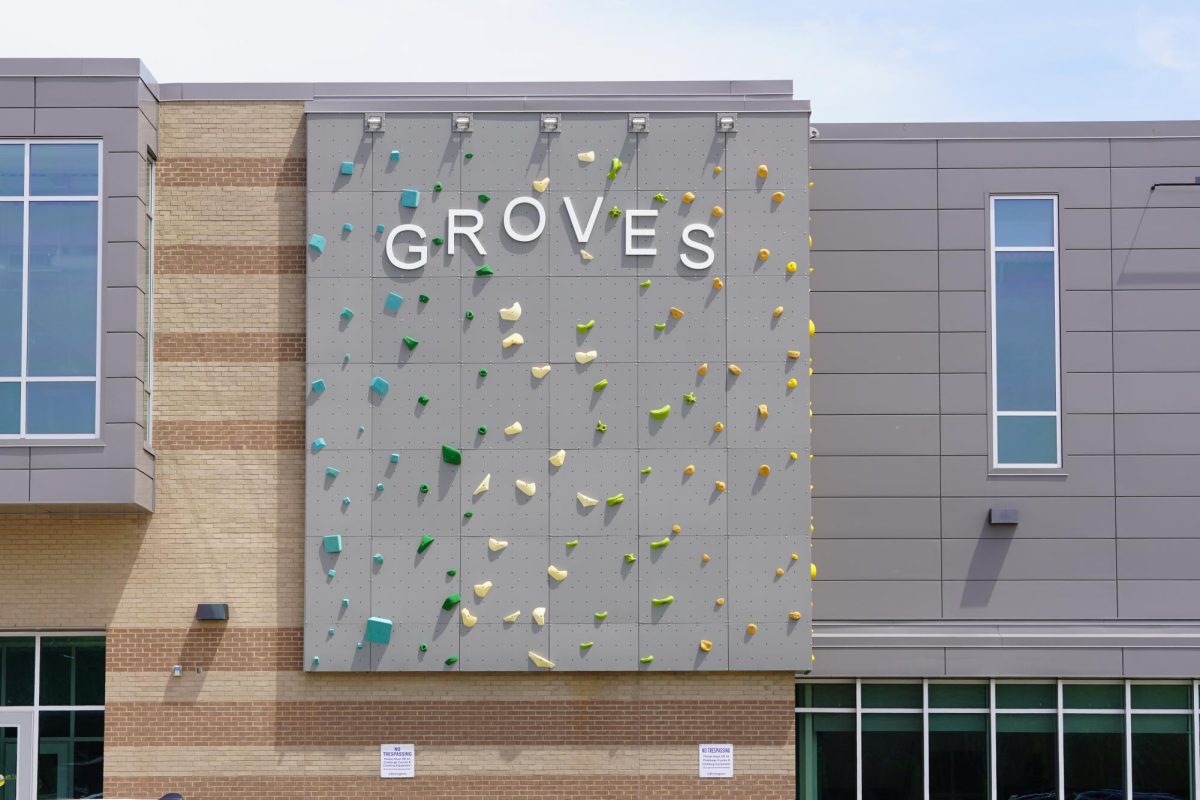
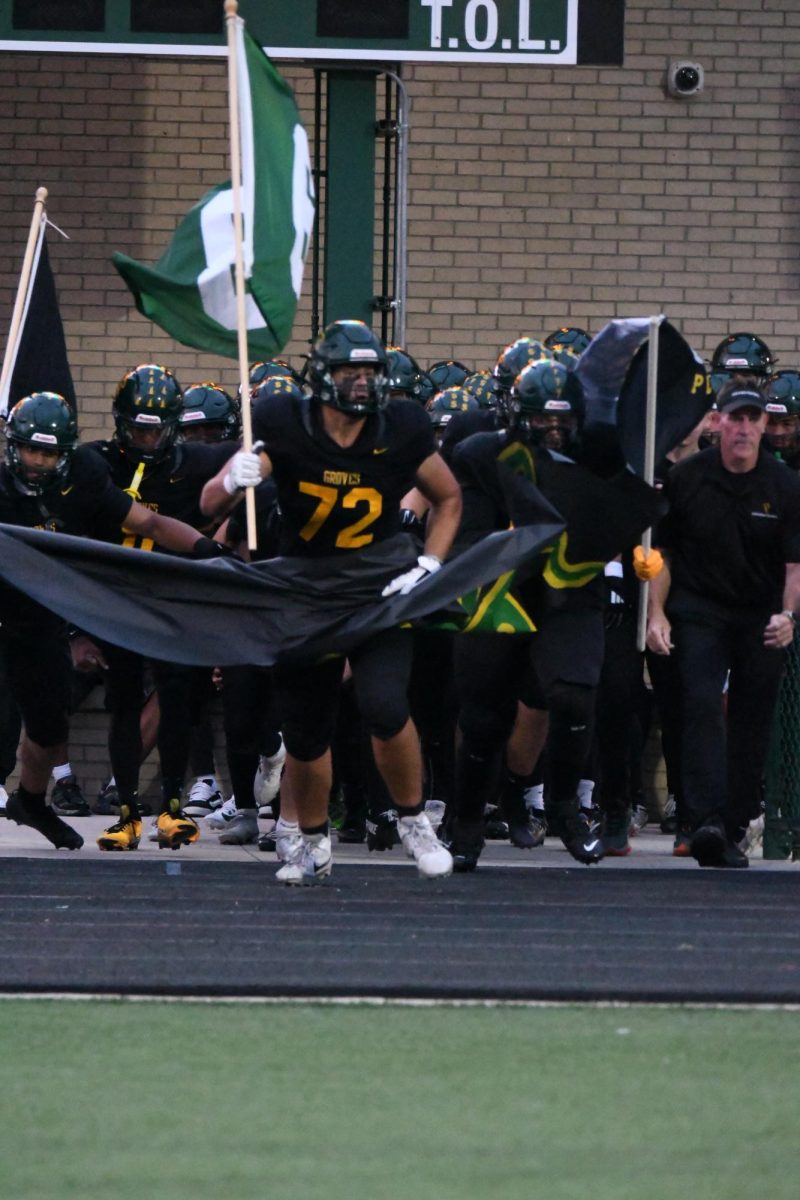
This does not mean that Groves athletes won’t benefit from expanded NIL policies, too.
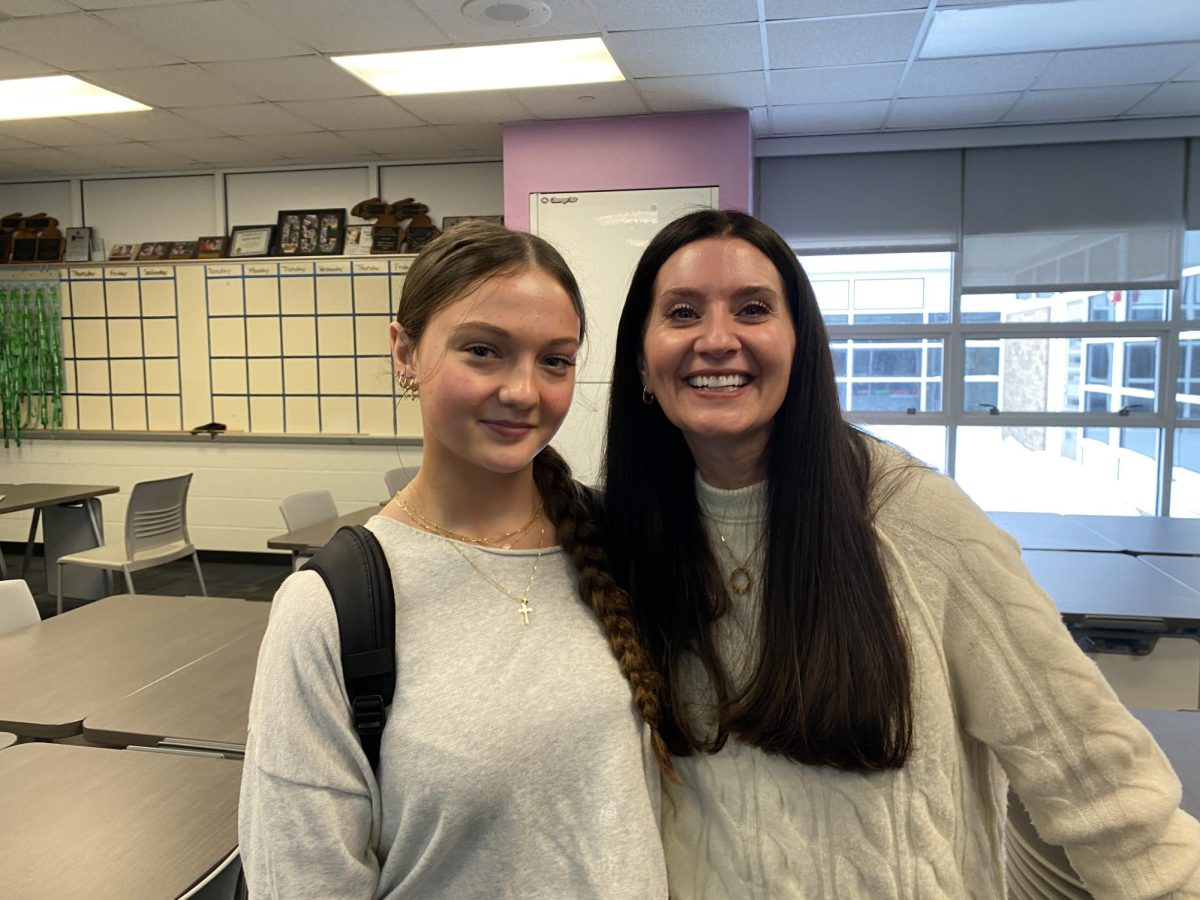
“I’ve seen private and public school students get NIL so far,” Groves Athletic Director Ross Gauthier said.
Guathier thinks that PBA can be beneficial for high schoolers, but does acknowledge that there are some similar drawbacks to NIL at the high school level, as there is at the college level.
“I think young people getting money, as long as they’ve got good adults around them, that’s always a good thing. … A con that you worry about with NIL is schools that are already good at getting around the rules. Like the private schools. They’re just going to use this as a way to steal markets away from public schools. Although the MHSAA transfer rules are much stricter than college,” said Guathier.
Michigan’s expanded NIL policies mean Michigan student-athletes will now be able to capitalize on their personal image. As with any rule changes, there will be attempts by some to exploit the rules for their own benefit, but overall, new NIL policies are an exciting opportunity for Michigan high schoolers.