























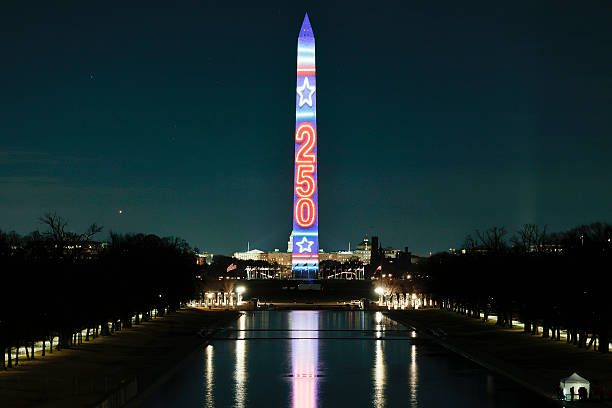











The 2026 World Cup is just around the corner, and fans from all across the world are anticipating the best World Cup atmosphere ever! The host countries, the United States, Canada and Mexico, are preparing to make a worldwide impact as millions of fans can hardly wait for the opening ceremony on June 11, 2026. All three hosts will create a unique opportunity for the soccer community to grow.
Throughout the years, the US Men’s National Team has had historically poor performances in World Cups. Most recently, in 2022, they had one of their most successful tournaments, reaching the Round of 16 before being eliminated by a strong Netherlands team. In regional competitions, such as the Copa America, the team usually does much better, reaching the top four in 1995 and 2016.
As host countries, the United States, along with Canada and Mexico have a plethora of responsibilities, such as organizing matches, preparing stadiums and managing logistics such as team transportation and event security. These responsibilities are very important because in major stadiums like MetLife Stadium in New York, Estadio Azteca in Mexico City and AT&T Stadium in Dallas, it is very easy for events to be spoiled by poor organization. Another major feature of being the host country is that all three teams automatically qualify, regardless of the results of their qualifying matches.
This year’s World Cup is very special because for the first time ever, it will showcase 48 teams compared to the usual 32. This is groundbreaking because it paves the way for smaller teams like the Ivory Coast in Africa to have a real shot at the top teams, since they are often eliminated in the qualifying matches. Although the odds are next to none, it makes all the difference to the fans knowing they have a true chance at glory.
On the surface, the World Cup being in North America is seen as being great for the soccer community. But looking further, it also poses an impending massive boost to the North American economy. Cities where matches will be played will see a jump in tourism as fans from all parts of the world pay a big price tag to watch their favorite players perform on the world’s biggest stage. One perfect example of this is in the 2022 World Cup, the host country Qatar made massive infrastructure improvements to host the tournament. If America, Mexico and Canada can recreate what Qatar did four years ago, this World Cup is sure to have an electric atmosphere. With new reparations to hosting cities, there is no doubt the tournament will attract fans who will not just bring their energy, but millions of dollars into the economy as well.
This year’s U.S. team will have a unique advantage because of home field. This will prove to be important because players will be well rested and will have more support from the fans because the travel distance is far shorter than that of most countries competing. For the team’s stars, Christian Pulisic, Weston McKennie and many others, homefield advantage is more than good because of their fast counter-attacking play style that suits their 4-3-3 offensive formation and tactics of Mauricio Pochettino in his first World Cup.
The 2026 World Cup will be historic, not just because of hype, size and impact. For the United States, it’s another massive chance to prove themselves as a world power house in the beautiful game of soccer, on a massive stage with the weight of millions of anxious fans screaming their names. There is no doubt that this tournament will be like no other.

