
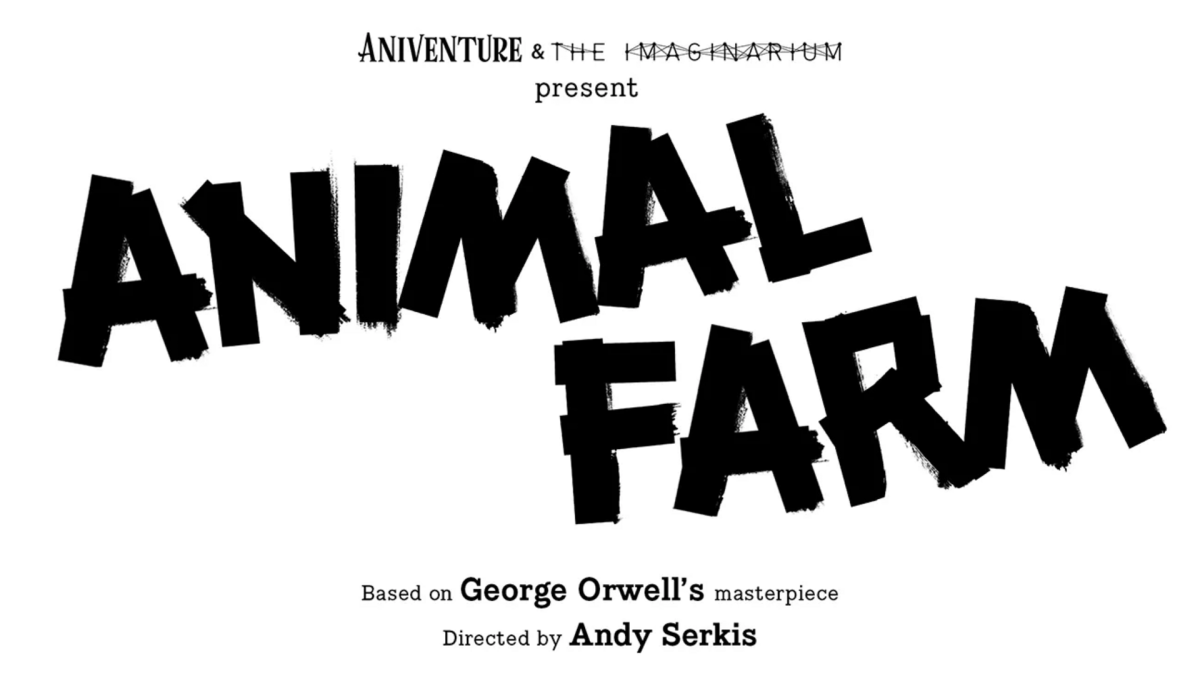























The novel Animal Farm has just received a film adaptation from Serkis and Angel Studios. Several elements changed from the novel to the movie, while others remained the same. This article examines the major similarities and differences between the two.
For readers unfamiliar with the story, several key characters are central to both versions. Napoleon begins as one of the animals but eventually becomes corrupted by power. Snowball is portrayed as the smartest pig on the farm. Boxer and Lucky are a horse and a pig who are best friends and consistently work together on the farm.
Animal Farm is a story about animals who rebel against a farmer in an effort to make their own society. The animals assign jobs to maintain the farm and produce crops. Napoleon later forces Snowball off the farm after Snowball proposes building a windmill and then takes credit for the idea. Over time, Napoleon becomes increasingly corrupt and eventually mirrors the human they once rebelled against.
One major similarity between the film and book is that Napoleon kicks Snowball out of the farm for proposing a windmill and then later takes credit for it on his own. In the movie, however, the windmill is changed to a watermill.
Another similarity is Napoleon changing the rules of the Animal Farm throughout the story. He changes the rule “Two legs are bad, four legs are good” to “Four legs are good, two legs are better,” reflecting his growing corruption.
A further similarity is Napoleon’s motto by the end, “All animals are equal, but some animals are more equal than others.” This is a key theme in both the movie and novel, showing the corruption of leaders after they get a lot of power.
The farm’s recurring motto, “Work hard for the Animal Farm,” also appears in both versions. In the movie, they say this quote a couple times with Boxer and Lucky saying it the most. They say it as a way of reminding themselves to not become the humans they rebelled against.
Several differences appear between the novel and the film. Since the adaptation targets younger audiences, the tone is more comedic than the original text. The film includes added humor and gags that are not present in the novel.
Another major difference is the ending. In the novel, Napoleon remains in control of the farm. In the film, the animals ultimately rebel during one of Napoleon’s speeches and remove him from power.
The film also changes the context of Napoleon’s speech about equality. In the movie, he delivers it to representatives of a company called Pilkington rather than solely to the animals.
Additionally, the film introduces Pilkington as a superstore seeking to take over the land. This organization functions as a central villain and contributes to Napoleon’s growing corruption.
Overall, the film adaptation presents a more lighthearted version of Animal Farm while maintaining many of its central themes. The story is altered for a younger audience, but the core message about power and corruption remains intact.