










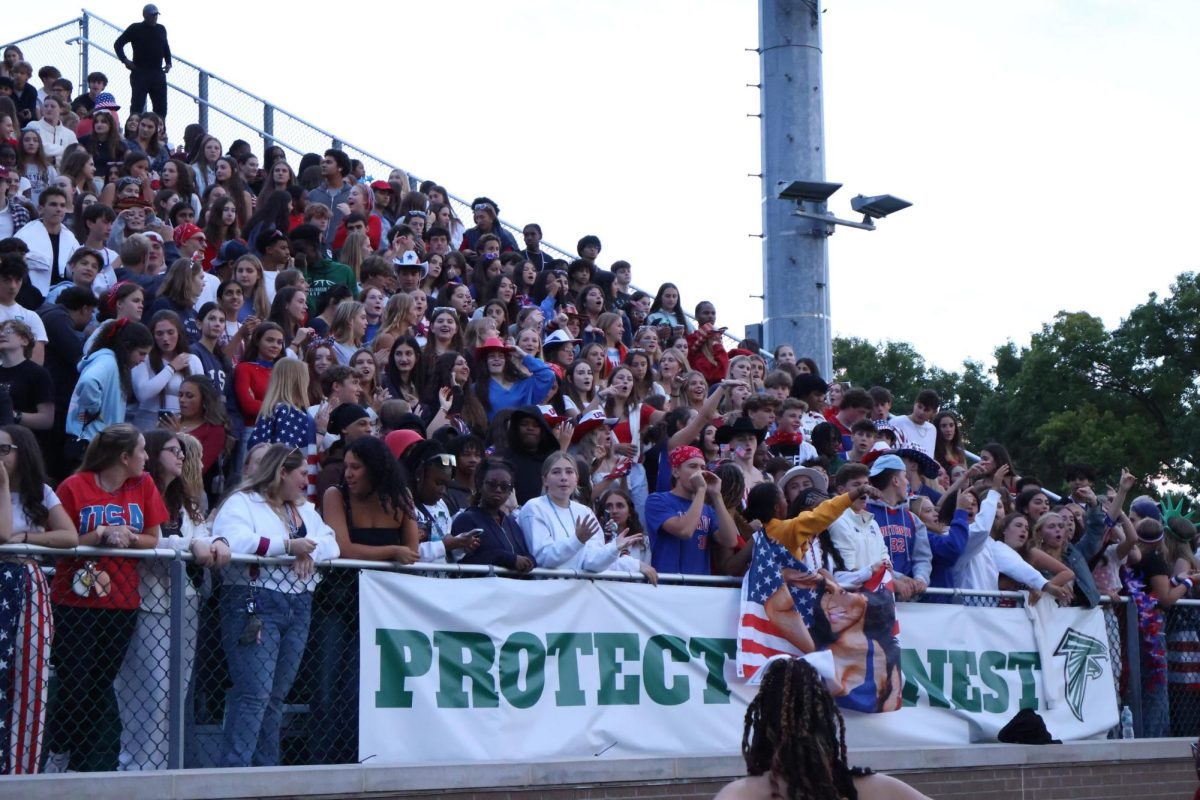





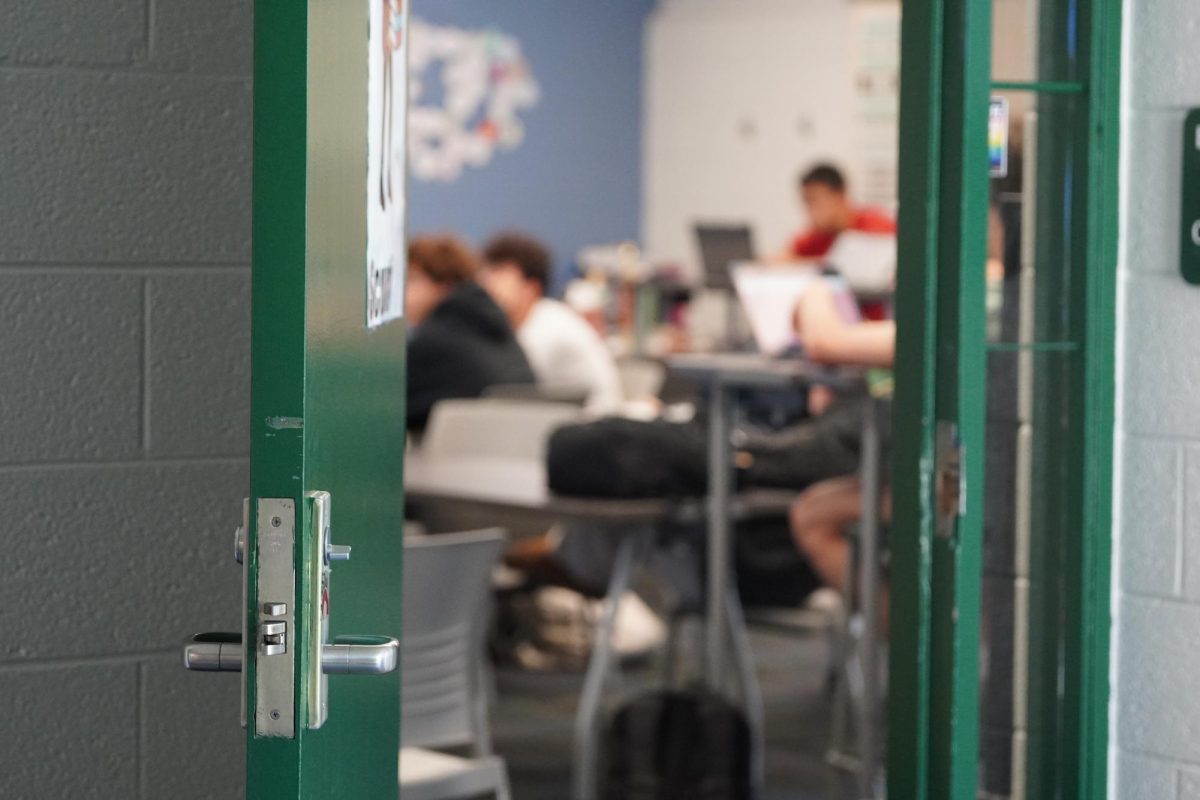

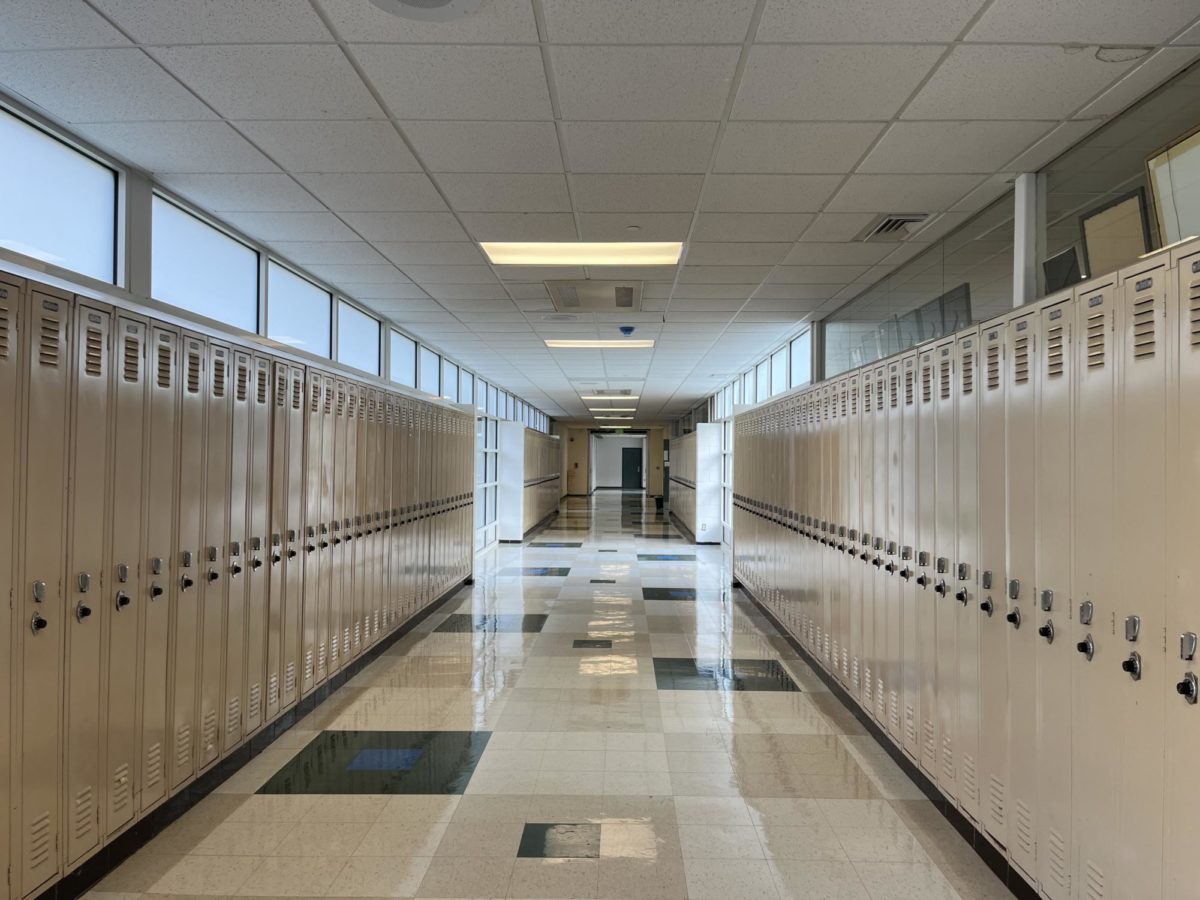




On one of the coldest days of the year in Beverly Hills, dozens of Groves High School students gathered in the West parking lot with signs and posters. These students took lead in their community to protest Immigrations and Customs Enforcement (I.C.E.) regarding their past and current actions within the United States. On their round trip journey along 13 Mile from the Groves campus to Southfield Road, these protesters were escorted by Beverly Hills police cruisers. This event was neither organized nor supported by school administration, and after social media posts circulated on Thursday night promoting the protest, Principal Othamian Peterson sent out an email to the Groves community denying association and offering alternative support for students interested in speaking out.
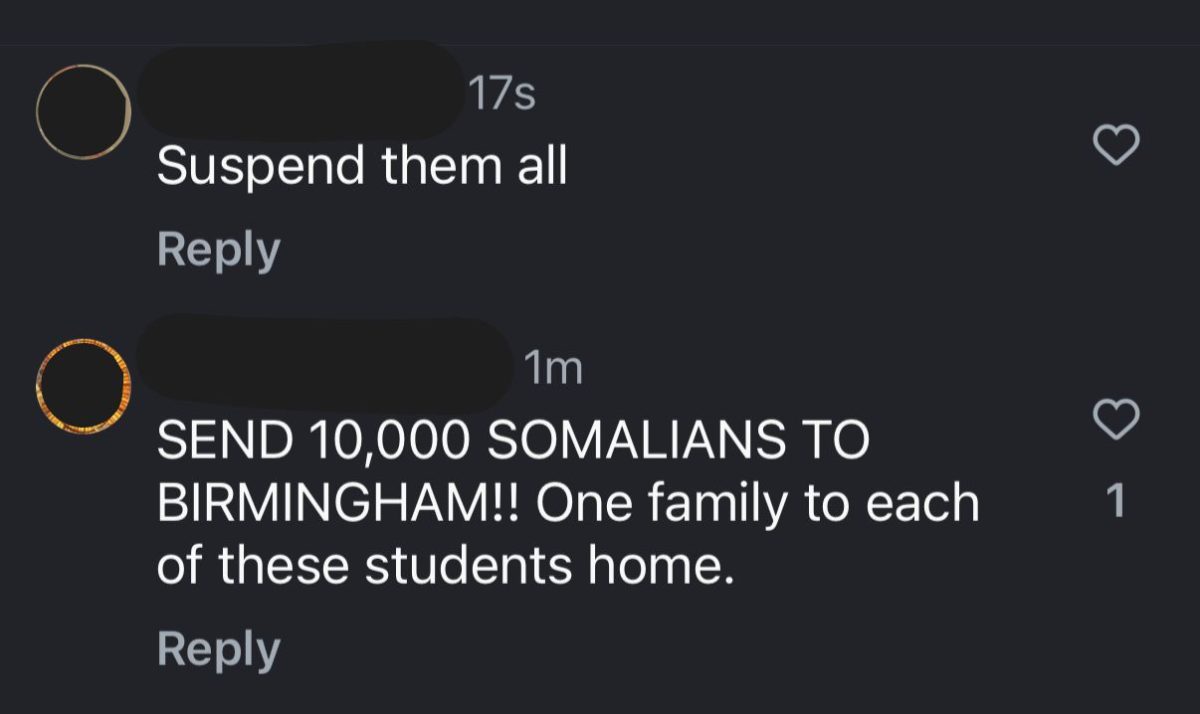
When one metro Detroit news station, WXYZ, reported on the protest, its coverage spread quickly. This report, originating on Instagram, posted both commentary and video of student participants and their proponents. In the fashion of most posts on social media, many viewers engaged with it through comments. Opinions regarding the protest appeared throughout the comment section, both positive and negative. Many people from the community responded, either targeting the students for using protest as an excuse to skip class or students and their proponents supporting the cause and the students’ use of free speech. This student movement, the media’s coverage of it and the audience’s response all expose a more serious issue: the impact of social media on public discussion.
As stated by the public policy school of Georgetown University: “Audiences today are not only recipients of messages — they’re participants, which gives them a lot of power”
In order to keep social media the explorative and varied community it is, keeping audiences diverse in perspective and output is crucial. Discretion is important regarding social media, and often the consumption of it influences viewers more than they notice. In order to combat the persuasive nature of heavy exposure to extreme views, it’s important to form opinions before interacting with content. Those who completely base their opinions off of those who publicly share their angle on any situation lose out on developing their own views through self reflection.
More so than any single influencer or commenter, the systematic programs that decide where to promote and demote videos impacts audiences detrimentally. Algorithms often promote videos and discussions that are controversial to engage viewers and amplify their viewer’s watch time within their app or website. Algorithmic radicalization is the concept that digital algorithms often push extremist views, often leading audiences to develop radicalized opinions. Looking closer than the posts themselves, comment sections within such posts often follow the same trend of only promoting the most polarized responses.
According to the National Library of Medicine, “Users online tend to prefer information adhering to their worldviews, ignore dissenting information, and form polarized groups around shared narratives. Furthermore, when polarization is high, misinformation quickly proliferates.”
These outlets that claim to be welcoming and diverse easily turn into echo chambers for viewers to disjunction between those of differing judgement, creating filter bubbles that surround audiences within their own niche viewpoint, furthering the social polarization.
Many teenagers agree that the impact of the current social media atmosphere can be extreme and negative.
“[Social media] can definitely make people feel left out or lonely, especially when you’re constantly comparing your life to what other people post online,” said Kabir Kapur, a current senior at Groves.
Within the Groves community, short form social media content is often the most popular; almost 73.3% of students claim to be on such platforms daily on Tiktok alone. This fast-paced dopamine-triggering app installs these negative habits into those who use it, especially often.
Teenagers are constantly exposed to increasingly polarized content, leading them into a rabbit hole. As the popularity of social media platforms reaches younger generations as access to highly developed technology increases, so does the use of algorithms that take advantage of the impressionability of undeveloped brains.
It is becoming increasingly concerning that these technologies seem to target younger generations to push their user base towards increasingly digital interactions—ultimately breeding hostility and contempt both online and in-person.