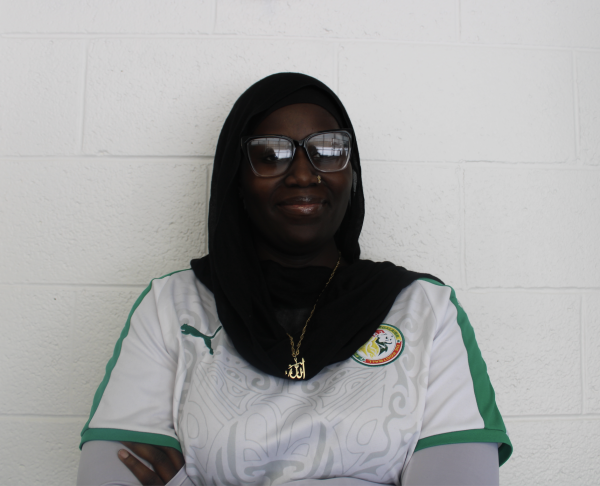












I hate being called African American. It’s not who I am. It doesn’t represent me, my family or my culture. I’m an African who was born in America. That’s it.
Growing up in the Black community, the prejudice becomes very apparent, especially when you’re African. We’re all Black until someone asks who makes the best food. We’re all Black until someone suggests we’re all from Africa. We’re all Black until it’s time to fight for immigrants’ rights.
The first time I realized we weren’t all the same kind of Black was in first grade. We had a project where we had to find a book in the library about the country we’re from. I have always loved being Senegalese and Mauritanian, and will take any excuse to talk about it. As my classmates were finding books about Finland and Hungary, I was still searching for Senegal or Mauritania, but only found a very thin book titled Africa. Nothing on the more than fifty countries within, just a book on the continent itself. Thousands of cultures and languages summed up into a book that couldn’t have been more than fifty pages. I didn’t see the problem, so I went on with my presentation, and barely used the book, but then came the questions. “What’s your tribe?” I’m Fulani. But I understood that he wasn’t truly interested in my tribe or the meaning behind it. To them, Africa was a country with lions and uncivilized people. And then came the question that truly hurt, from the only other Black student, “Where’s your family’s hut?” I thought it was funny how little these people knew about Africa. My grandfather was the mayor of a village in Mauritania. We live in a mansion in Nouckachutt. And these kids were asking me where my hut was. It was comical. At the time.
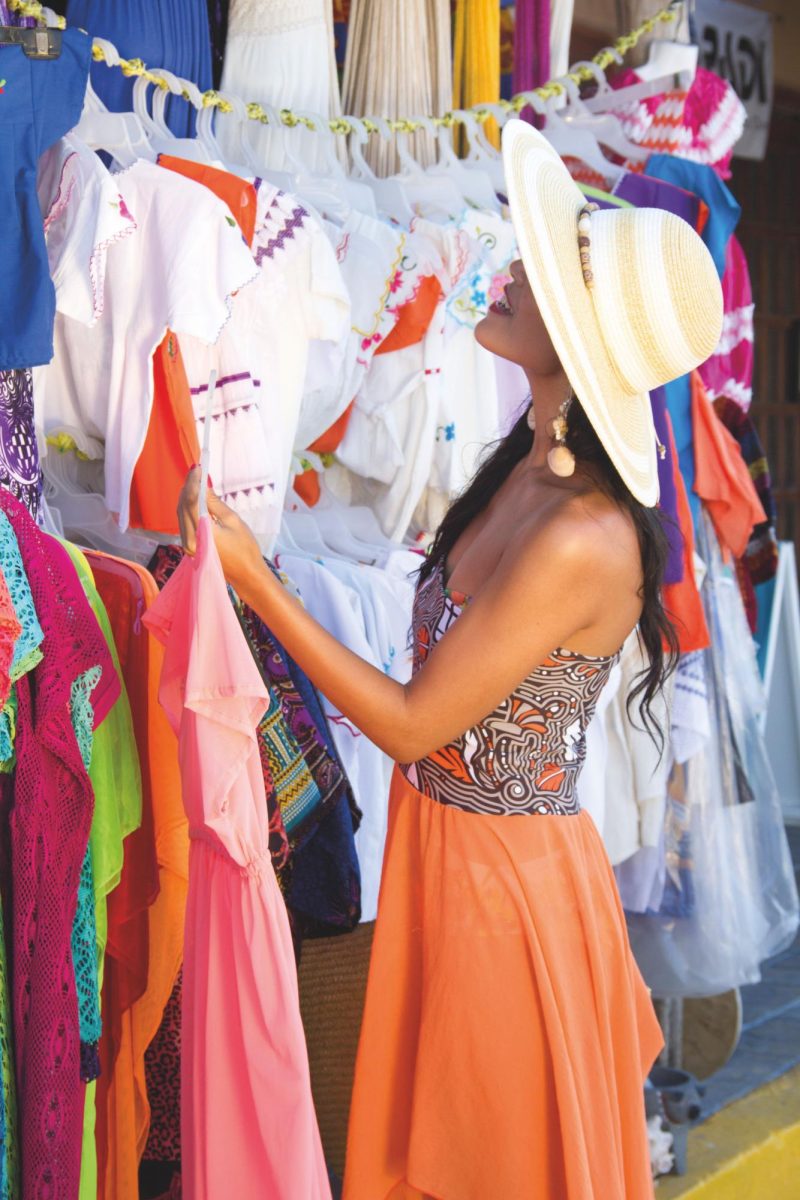
Looking back, that was the moment I began to covet my culture even more. I wanted to show the world what they were missing when they clumped all of Africa together. The beauty woven into Senegalese bazins, the deep colors of the fabric, the way it catches the light, the soft rustle as you move and the spicy aroma of Thieboudienne that often filled my kitchen. I’d show them the beauty they were missing.
There’s nothing like spending Fridays at the markets in Nouakchott with my grandparents, my grandmother showing me fabrics she thought suited me. Hearing stories about how rebellious my mother was, despite what she always told me. Walking the streets of Dakar, where my father played soccer, and playing with my little cousins in those same streets. Watching my grandfather return home, hands full of fresh mangoes and watermelons. I have never felt more like myself than when I was surrounded by family and culture. My culture is who I am. It’s how I stay connected to my family, how I stay grounded, and how I remember who I’m fighting for. This trip reignited the passion within me.
Coming home, I leaned on my culture more than ever before. It’s what keeps me close to my mom as we face an administration that sees her as a criminal. It reminds me of the strength within me, the same strength my people have carried throughout history.
Watching my parents fight for their right to exist in a country that sees them as second-class citizens has taught me the only way to earn the respect and rights you deserve is to fight for them.
I have learned, my culture is the source of my identity, my strength, and my voice. Carrying the lessons my family and culture have taught me, I will use my voice and the power behind it to fight for justice on an international scale for those whose identities are misunderstood or erased.
I still hate being called African American. It’s not who I am and never will be.