









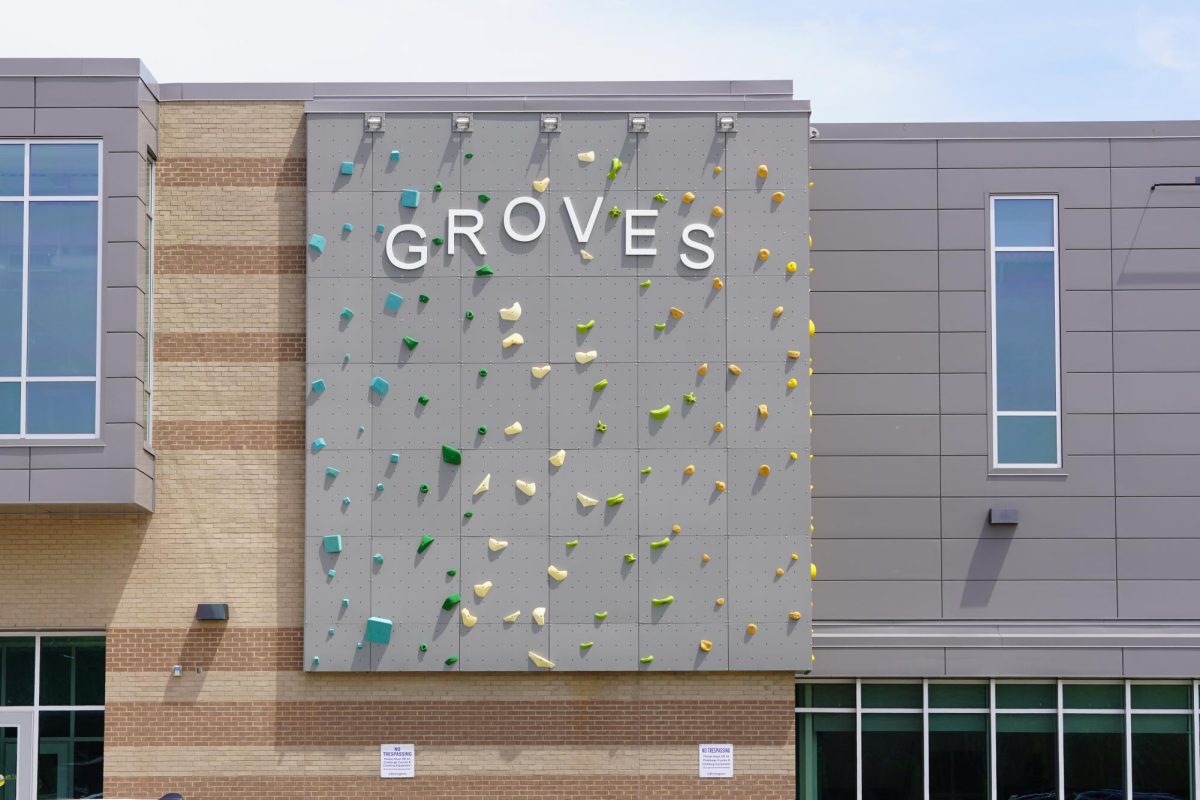


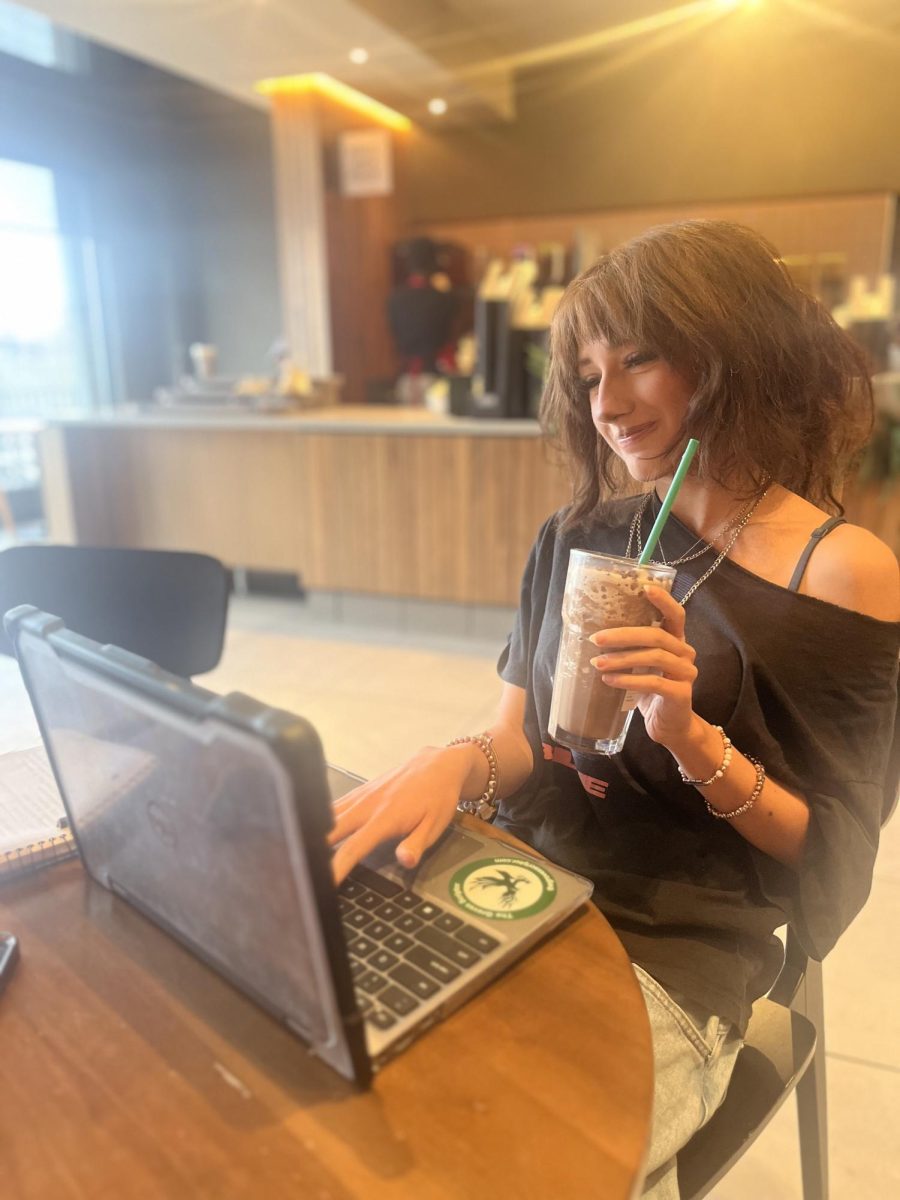
As seniors at Groves, we’ve always preferred asynchronous learning to the busy, somewhat overwhelming environment of the average high school classroom. Whether it be at home, Starbucks or our favorite restaurant, we jump at the chance to work somewhere other than the school building.
Blended learning is an upperclassman privilege, a once-a-week opportunity for students to complete assigned work outside of our Groves campus. For students taking AP Literature, Journalism (both yearbook and newspaper) and photography, embracing this off-campus option can not only help them to prepare for college, but also enhances their classroom experience through independent learning as well.
Most students love this alternative learning style, as it emulates the relaxed asynchronous format from online school during COVID, and the chance to complete assignments at their own pace. Others, however, worry that it’s simply another vice for procrastination and caters towards students with the means to have alternative transportation.
Around 15 years ago, an educational committee developed blended learning as a means to modernize our approach to high school education.
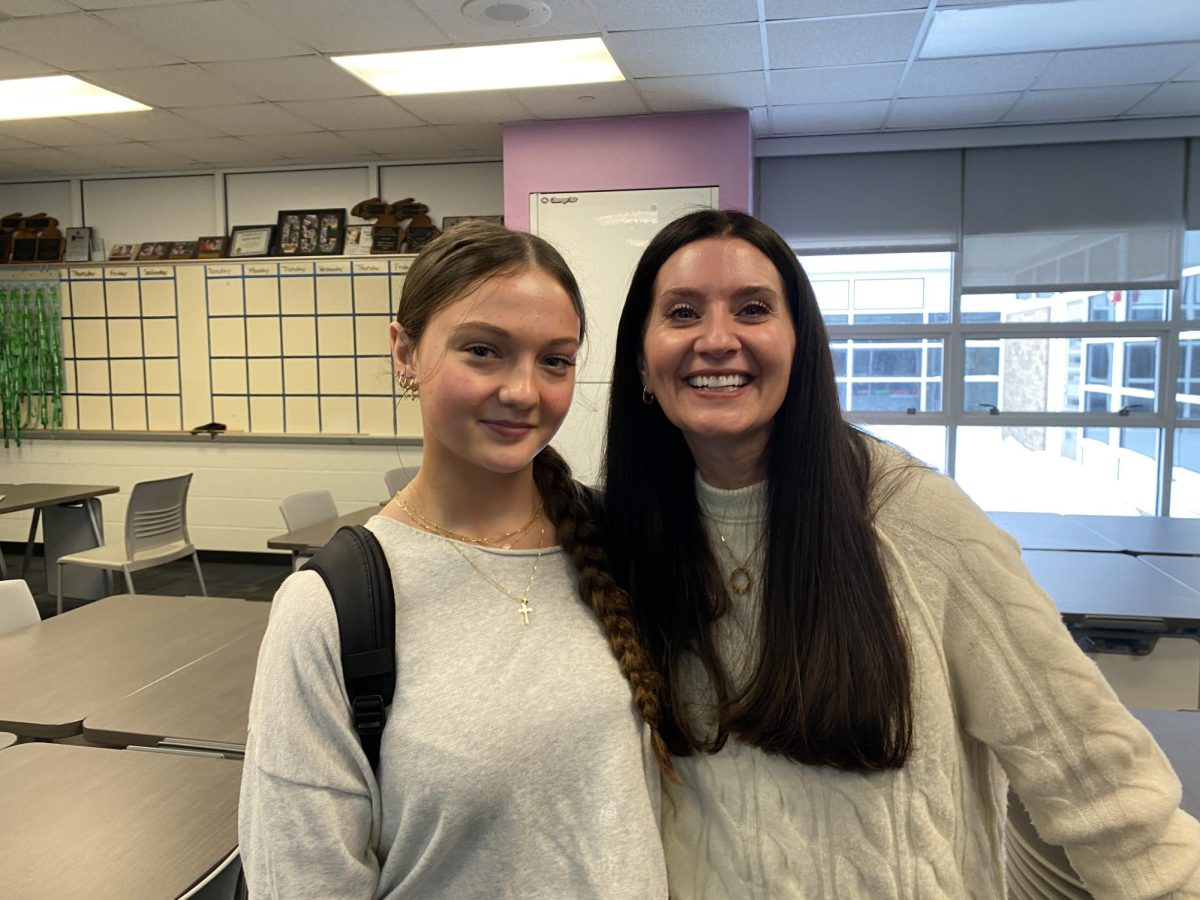
When we spoke with current AP Literature teacher and one of the founders of blended learning, Karen Reed-Nordwall, she shared the administration’s belief that students needed more choice and independence in their learning.
“They need opportunities outside of the classroom,” Reed-Nordwall said.
And so, blended was born. Initially, there was pushback over whether or not it helped or hindered students’ ability to learn, and those arguments still exist today.
The student body is seemingly unanimous in their support of blended. It’s no secret that the upperclassmen years are the toughest of high school. With SATs, APs and college, blended provides a much-needed relief.
Groves senior Maya Shelton said, “For me, it’s a stress reliever…I think it’s really nice.”
One of the main concerns with blended is that the work doesn’t get done. Yet, Shelton affirmed that her work is always completed
“People do the work. I mean, most of the class still have their blended pass,” said Shelton.
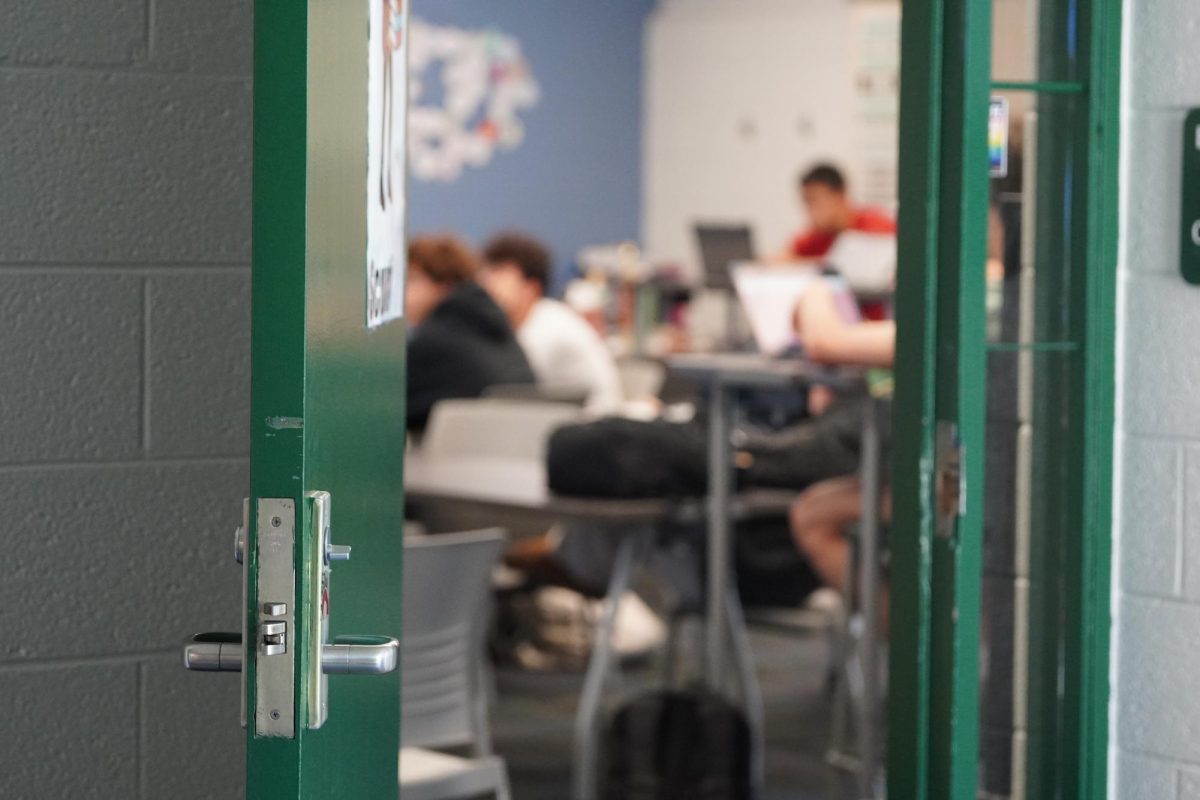
The blended pass Shelton refers to is the way students are allowed off campus. Without it, students cannot reenter the building upon their return. This blended pass is taken away if the student isn’t using their time effectively.
The main purpose of blended is to prepare students for the out-of-classroom work that is assigned in college. Shelton shared that multiple of her college friends have shared that blended prepared them for the post-secondary learning style.
“My friends that are already in college say that half of their work is outside of class…I think blended does a good job of mimicking that,” Shelton said.
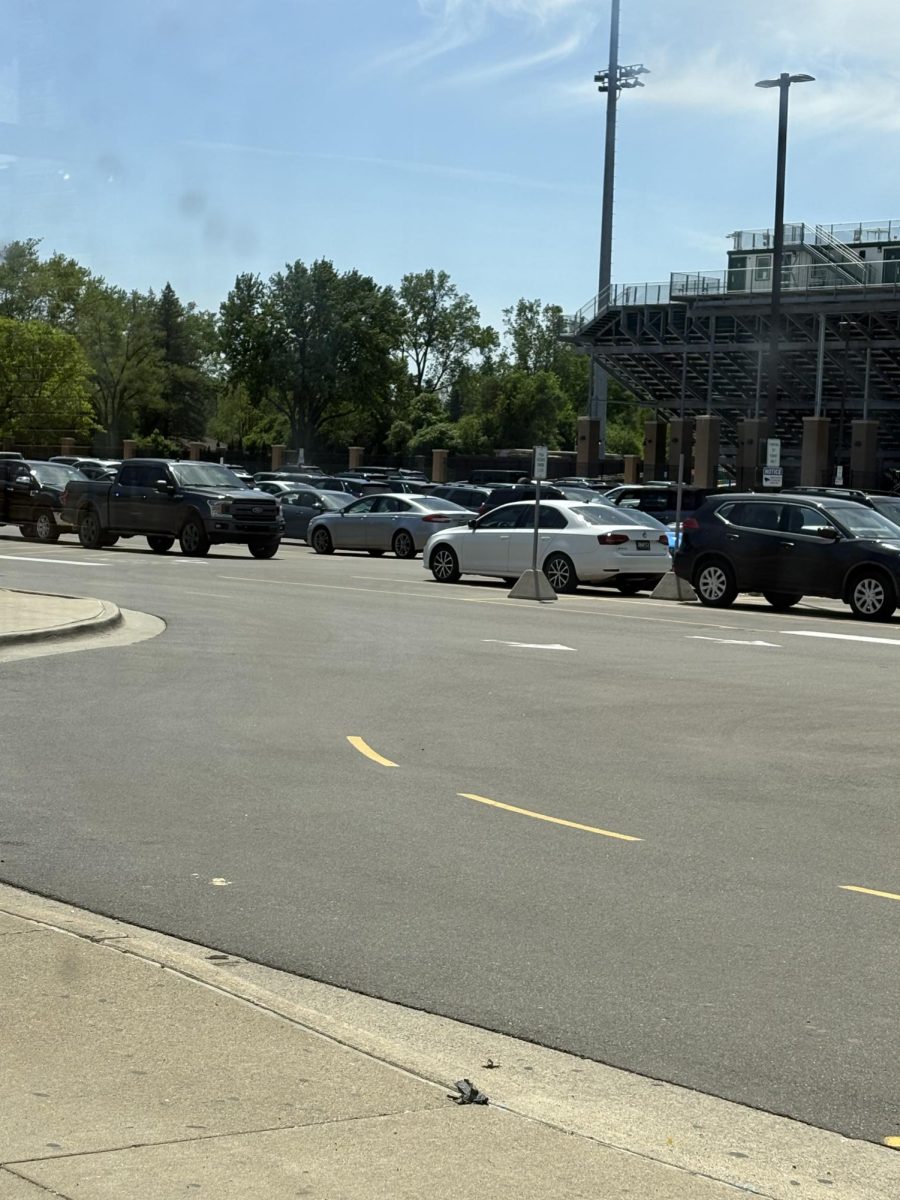
One of the main issues with blended is the worry that it caters towards students with a car. Many upperclassmen don’t have a way to leave campus at their leisure, which leads many to believe that blended is inequitable.
Though, as Reed-Nordwall puts it, “[blended] is just one opportunity. It’s just like going out to lunch. We provide lunch. You should be here, but if you want the opportunity, you can go out for lunch.”
When we spoke to senior Charlisa Penzak about her experience blending without a car, she shared that, “I wouldn’t say it’s unfair, because that’s a factor that’s independent of blended time. Either way, the students with a car can have more ability to roam. So I still, as a person without a car…appreciate blended time for what it is and an opportunity to practice time management and some independence.”
Though it’s not just the students who are passionate about blended. Reed-Nordwall has used the blended learning style for years, and employs it in both her AP English Literature class as well as her Journalism class. Though she agrees that blended is a lot to maintain as a teacher, she believes that it’s the perfect measure for college readiness and a great way to alleviate some of the pressure felt by students who participate in after-school activities and otherwise have very little time to relax or catch up on work.
“There’s so many different options with blended, it gives students a way to match their needs,” Reed-Nordwall said.
Over the course of 10 years, Reed-Nordwall has surveyed all of her students over whether or not blended has been helpful and prepared them for college and,
“Out of hundreds of students, well, thousands at this point, they have all said, ‘Absolutely,’” Reed-Nordwall said. She even extended the survey to parents, and only 1 over the course of 10 years was unsure of its impact.
Part of the job of a high school teacher—particularly one for upperclassmen—is to effectively prepare them for college. According to Reed-Nordwall, blended is one of the best ways to do so. Most college assignments are done outside of the classroom, similar to blended.
Through this learning style, Reed Nordwall affirms that, “If a parent asked me… ‘is my kid ready for college?’ I could basically tell them where they’re at, because blended tells me so much about not just work ethic, but…independence.” Blended is a concrete path for gauging college readiness in a way that no other Groves program is.
Though blended learning might be suitable for some teachers, Biology and Anatomy teacher Laura Searle has had a less-than-positive experience with blended learning in her classroom. As one of the first teachers to experiment with blended classes at Groves, Searle acknowledged that, at the beginning, students had a positive response to a blended learning environment, something she had hoped for after seeing the success of off-campus learning within other schools.
“[Students] would come prepared, and they would do everything they were supposed to do, and everything was great,” Searle said.
However, students’ performance began to rapidly drop the more opportunities they had to leave the classroom.
“It started to get where they were sort of using it,” Searle said. “They were not doing the work they were supposed to do outside of the classroom.”
Instead of keeping up with their work, she recalls that many students—especially those with two blended classes in a row—would choose to sleep or slack off during class time, and would return unprepared the following day. Nonetheless, Searle still believes that blended learning can be beneficial if both students and teachers are prepared to take on the challenge of maintaining off-campus integrity in the long-run. According to Searle, however, the real responsibility lies with the students themselves.
“You have to be a very independent learner, and you have to be college-ready. And I don’t know that my students were anymore,” Searle said. “And you know, when 80% of your kids come unprepared, it makes for a really difficult learning environment.”
Whether you’ve had experience with blended learning or not, it’s no question that this environment can help to improve students’ engagement, as well as their satisfaction with their classes in the long-run. For those who are interested in the program, suggesting off-campus learning to your teachers or enrolling in a class that’s already participating are great ways to start. With the help of our Falcons, we might have the chance to make academic independence the new norm here at Groves!