

















I wake up to the “By the Seaside” ringtone playing from my phone. 6:20 a.m. Snooze. It plays again—6:30a.m. Snooze. By the time I get up, I’ve hit snooze four times. It’s 7:00 a.m., and I have exactly 20 minutes to get out the door.
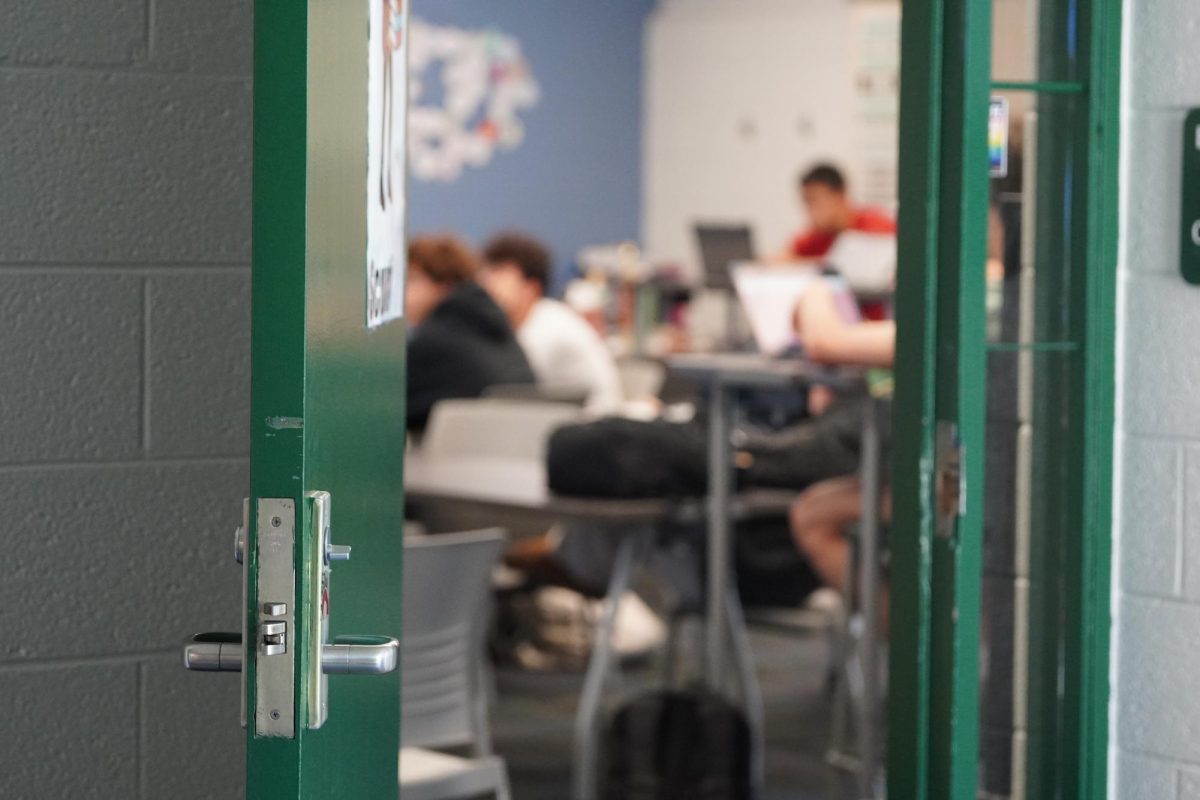
I throw myself together and get to school late, only half-awake, Redbull in hand. I scroll on my phone, sip on my Redbull, do about 10 minutes of actual work and then walk to my second hour to rinse and repeat.
It feels lazy—even pathetic—but it’s something almost every senior recognizes. Senioritis: why is it that our motivation collapses right when we are supposed to care the most?
There are actual psychological explanations for this phenomenon. In The Dynamic Effect of Incentives on Post-Reward Task Engagement, researchers Indranil Goswami and Oleg Urminsky found that as a reward or major incentive ends, people often experience a “reduction in engagement with the target task immediately after the incentive ends.” In other words, once a motivating goal disappears, effort tends to follow suit.
That sounds a lot like senior year. For four years, students work towards one massive target: college admissions. Once acceptance letters arrive and graduation seems guaranteed, the motivating factor that fueled student achievement for years suddenly vanishes. The result is an all-too-familiar spiral of forgotten assignments, tardies and bad grades.
Researchers explain that this drop in motivation is “not on account of a reduction in intrinsic motivation, but is instead driven by a desire to take a ‘break’”. Senioritis is the psychological aftermath of years spent balancing AP classes, sports, jobs, extracurriculars, standardized tests and college applications. After a long run of productivity, students finally reach a point where they are able to—and need to—rest.
Though it’s often dismissed as “laziness,” it is much more accurate to describe senioritis as a combination of burnout and transitional disengagement. Seniors are caught between two versions of themselves: no longer invested in high school, but not quite moved on to what comes next. Physically, we are sitting in class, but mentally, we already left months ago.