























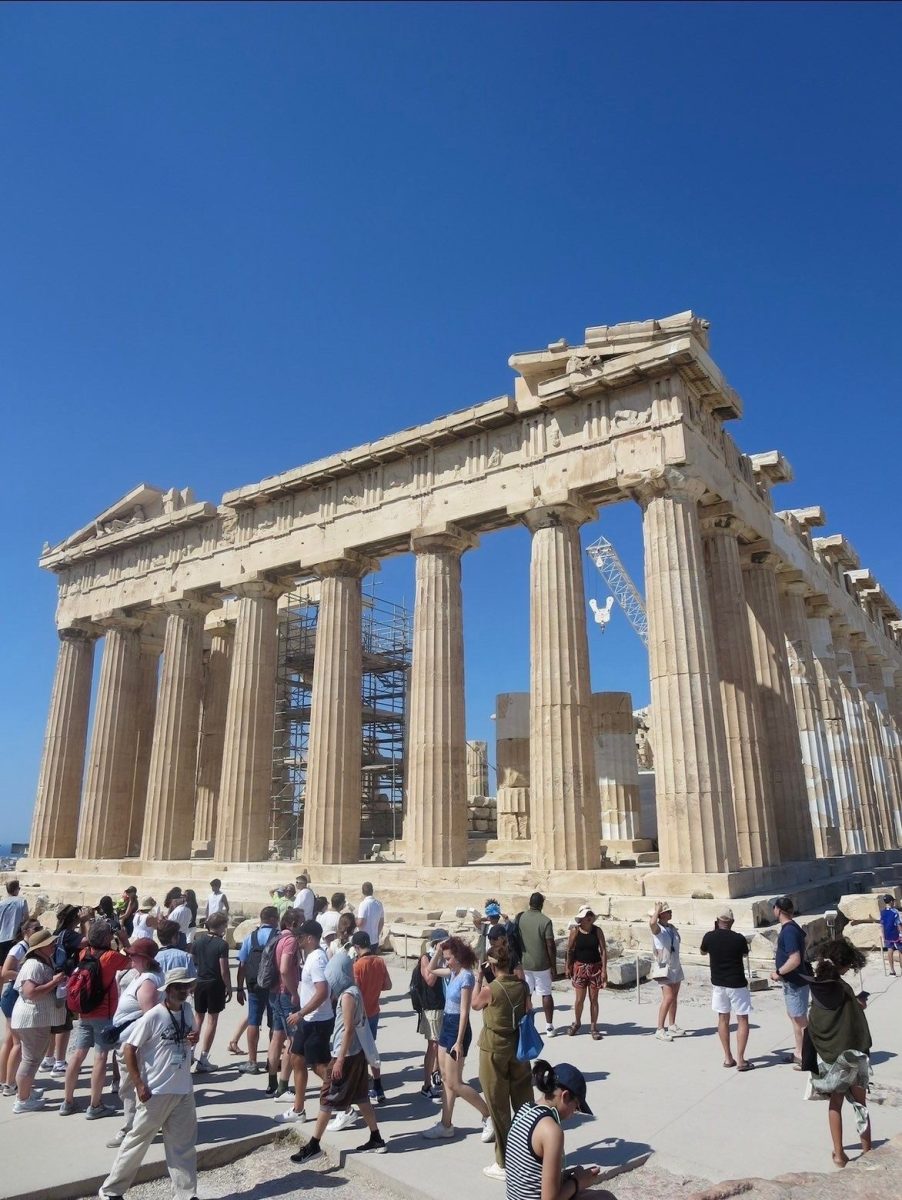
I love traveling. I’ve been fortunate enough to visit 35 countries across five continents, and some of my most meaningful memories come from being immersed in places far from home. The greatest part about traveling has been learning and growing through exposing myself to different cultures. In the last few years, however, I have realized many of these experiences are directly impacted by how many other people are visiting the same place I am.
For example, during visits to Santorini, Ko Phi Phi Leh and Mont-Saint-Michel, I was not as taken away by the beauty of the place but instead by the number of people there. There were so many people on these islands; I was more focused on getting through the crowds to get to whatever viewpoint or photo op was next than I was actually being aware of the place itself.
This is mass tourism in a nutshell. As access to travel has increased, so has our desire to visit specific places. These places have been set up for mass tourism, so much so that locals have reorganized their towns around the tourists at their own expense. These changes lead to rising rents, increased strain on the existing infrastructure and cultural sites becoming commercialized. What was once an authentic experience now has to be created so that everyone can engage in it, all because of the number of tourists coming to the area.
My opinion is that travel in and of itself is not necessarily a bad thing, and that I would never propose that only certain people can access beautiful places. But I think travel at such massive volumes is where most of the harm occurs. When many thousands of visitors arrive to the same small island or historic site on any given day, everyone’s experience (including their own) is negatively affected. To me, the most ironic part is to travel around the globe to connect with a location, but to feel disconnected because of the sheer number of people. In essence, through mass tourism, people lose their sense of connection to the place they are traveling to.
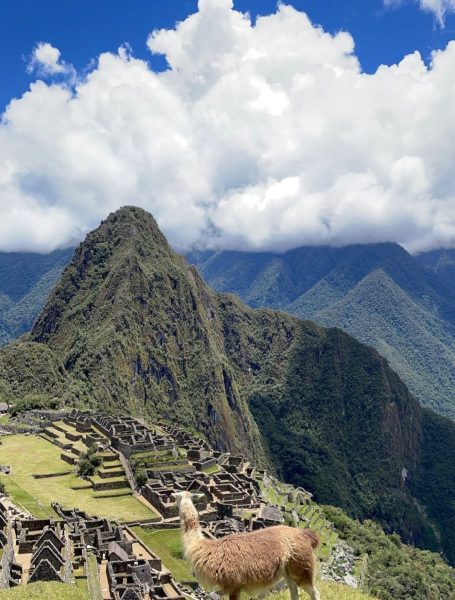
In addition, it frustrates me that mass tourism typically has the reverse of what many people think it should have—it discourages curiosity from travelers versus encouraging it. Instead of people visiting places for the cultural aspects and to learn about the history, they simply come to snap a quick picture to show their friends and followers. Travel has been reduced to all-inclusive resorts offering westernized food and familiar comforts, with visitors spending most of their time in tourist-catered spaces rather than engaging with local establishments or communities. This means the locals aren’t benefiting a smidge from the tourism, and they only suffer from the affects: pollution, noise, inflation, and a rise in utility prices. A majority of the most memorable places that I personally enjoyed were not “the high tourist hotspots” or “top places to visit”. They included the jungles of Uganda and the small towns of Peru where the places had no marketing, were quiet and “kept quiet”. There is a difference. Travel is meant to enable people to get to know an area, not to take advantage of it.
If we want the next generations to have the same opportunities for exploration that turned us on to these amazing places, I think it’s time to start thinking differently about how to experience them today. Seeing a part of our world shouldn’t mean ruining it before anyone ever sees it again.
